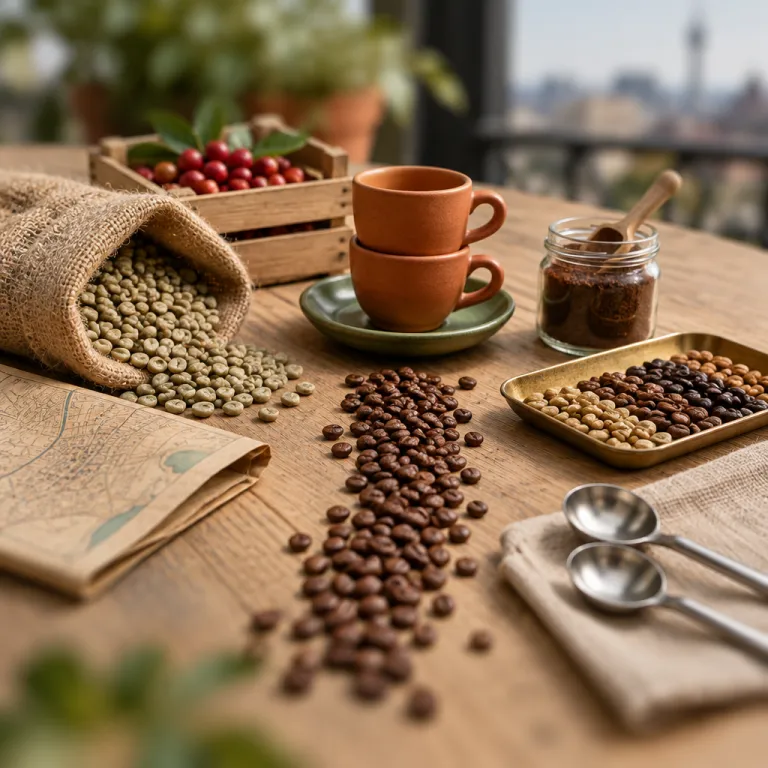
Why specialty coffee in Berlin belongs on your luxury hotel shortlist
Luxury in Berlin is rarely about chandeliers and white gloves. It is about waking up in a quiet room, stepping out onto a Strasse like Torstrasse or a leafy corner of Prenzlauer Berg, and finding a cafe where the first espresso of the day is pulled with the same care as a Michelin kitchen plates dessert. In this city, specialty coffee Berlin culture has become part of how discerning guests read a neighbourhood, and the best coffee shops now sit on the same mental map as museums, galleries and fine dining rooms. When you choose a premium hotel, you are also choosing which coffee scene you will inhabit for a few days.
Third wave coffee in Berlin grew from independent minds, cheap rents and a design literate crowd that cared about beans as much as Bauhaus chairs. The result is a network of coffee roasters, minimalist cafes and tiny coffee shop counters where espresso based drinks, batch brew and filter coffee are treated as craft rather than commodity. For travellers used to hotel breakfast buffets with anonymous filter, the contrast is sharp, and it is one reason many guests now book hotels by proximity to serious coffee shops rather than by regular price alone. A good concierge in this city will talk about coffee Berlin options with the same precision they reserve for restaurant reservations.
For a luxury traveller, that matters because the first brew often sets the tone for the day. A carefully dialled in espresso or a clean filter brew tells you something about the neighbourhood’s priorities, and about the people who live behind those Altbau facades. When you plan your stay, think of specialty coffee as part of the hotel’s extended amenities, because the right coffee shop within a five minute walk can be as valuable as an in house spa.
Mitte and around Hauptbahnhof: pairing design hotels with serious cups
Mitte remains the easiest starting point for guests who want both gallery hopping and access to some of the best berlin coffee options. Around streets like Alte Schönhauser Strasse and Linienstrasse, you will find a dense cluster of cafes where espresso based drinks, flat white orders and carefully sourced beans sit alongside simple but good food. Many luxury and premium hotels in this area quietly rely on these independent coffee shops to elevate the morning experience beyond what their own breakfast rooms can offer.
When you stay near Berlin Hauptbahnhof, the equation changes slightly, because the area is more about connectivity than charm. That is where a property like refined city living near the central station becomes interesting for coffee focused guests, since it balances easy station access with walkable routes to better cafes in Mitte and Moabit. You might still start with a quick espresso in the hotel coffee shop, but the real pleasure comes from stepping out, following the smell of fresh brew and finding a cafe where baristas talk about origin, roast profile and the day’s filter coffee with quiet authority. In this part of the city, specialty coffee Berlin culture turns anonymous business trips into something more personal.
For travellers comparing hotels by unit price, sale price or even a tempting price sale on a suite, it is worth adding coffee access as a soft metric. Ask the hotel which coffee roasters they work with, and whether they recommend any nearby coffee shops for guests who care about beans and brew methods. A property that can name two or three independent cafes within a short walk, and that understands the difference between batch brew and hand poured filter, is usually a property that pays attention to the details that matter to solo explorers.
Kreuzberg and the canal: where third wave coffee meets night owls
South of the river, Kreuzberg offers a different rhythm, and it is where many guests realise that specialty coffee Berlin culture is as much about nightlife recovery as it is about early risers. Around the Landwehrkanal and streets like Oranienstrasse, the mix of bars, late night food and serious coffee shops creates a 24 hour ecosystem that suits travellers who might reach for an espresso based drink closer to midday. Here, a small coffee shop with a few stools can feel as essential to the neighbourhood as any landmark.
Many Kreuzberg cafes lean into the area’s creative energy, pairing carefully sourced beans with natural wines, simple plates and low key evening drinks. For a guest staying in a design forward hotel nearby, the ability to step out for a flat white, then return later for a glass of wine, turns the cafe into an extension of the lobby. When you plan a night that ends on a high terrace or at one of the city’s rooftop bars and late night addresses, it is worth noting which Kreuzberg coffee shops open early enough to rescue the next morning.
From a booking perspective, this is where the line between luxury and lifestyle blurs. A hotel that understands the local coffee scene will not only list nearby cafes, but also suggest a route along the canal that links your morning brew, a walk through Görlitzer Park and a lunch stop with good food and non alcoholic drinks. In Kreuzberg, the best berlin coffee experiences often sit a few doors down from unassuming hotel entrances, and knowing how to find them is part of travelling well.
Prenzlauer Berg and the quiet luxury of slow mornings
Head north east and Prenzlauer Berg offers a softer, more residential take on specialty coffee Berlin life. Tree lined streets, playgrounds and restored Altbau buildings set the scene for cafes where parents, freelancers and travellers share long wooden tables, sipping filter coffee while children play nearby. For solo explorers staying in premium hotels around Kollwitzplatz or Helmholtzplatz, this area can feel like a gentle landing after long haul flights.
Here, the emphasis often shifts from quick espresso based drinks to slower rituals, with hand brewed filter, batch brew options and carefully prepared breakfast plates. Many coffee shops in Prenzlauer Berg treat food with the same care as their beans, offering good sourdough, seasonal toppings and thoughtful non alcoholic drinks alongside the usual flat white orders. When you choose a hotel in this area, you are effectively buying into a morning culture where the first brew might stretch into a full hour of people watching.
For guests comparing regular price and sale price offers on suites or larger rooms, it is worth remembering that the real luxury here is time. A hotel that sits within a short walk of two or three serious coffee shops allows you to vary your routine, trying different coffee roasters and brew methods across your stay. In Prenzlauer Berg, the coffee scene becomes a gentle framework for exploring side streets, small design shops and local markets, turning each morning into a small neighbourhood story.
Reading Berlin’s seasons through its cafes and hotel choices
Berlin’s relationship with coffee changes as the light shifts, and that seasonal rhythm should influence how you book your hotel. In summer, pavement seating and open windows turn every cafe into a stage, and the best berlin coffee spots feel like informal hotel terraces for guests staying nearby. When the temperature drops, the same coffee shops become living rooms for the Kiez, with steamed up windows, slower conversations and a focus on warming espresso based drinks.
For travellers planning a stay outside the high season, it is worth studying how neighbourhoods behave when the city slows down. Our guide to which neighbourhood suits your stay when the city slows down explains how areas like Kreuzberg, Mitte and Prenzlauer Berg each develop their own indoor rituals, and coffee shops sit at the centre of that shift. A hotel that feels slightly quiet in summer can become perfectly placed in autumn, when guests value a cosy cafe within a few minutes’ walk for morning filter coffee or late afternoon based drinks before dinner. In these months, specialty coffee Berlin culture is less about Instagram shots and more about daily comfort.
From a practical standpoint, this is also when pricing becomes interesting. You may find that the unit price of a premium room drops, or that a price sale appears on suites, making it easier to justify a longer stay in a neighbourhood with a strong coffee scene. When you evaluate regular price versus sale price offers, factor in the value of being able to step into a warm coffee shop on a cold morning, order a flat white or a simple espresso, and feel immediately part of local life.
How to use coffee to choose your Berlin hotel like an insider
For a discerning guest, the phrase specialty coffee Berlin is less a trend and more a practical tool for navigation. Before you book, look at the hotel’s address and then map a five hundred metre radius, checking how many independent coffee shops sit within that circle. A cluster of cafes usually signals a neighbourhood where design, food and drinks culture are taken seriously, which often aligns with the kind of hospitality standards luxury travellers expect.
When you read hotel descriptions, pay attention to how they talk about coffee. A property that mentions working with local coffee roasters, or that highlights a partnership with a nearby coffee shop for beans and training, is signalling a certain level of care. Ask whether the lobby cafe offers batch brew, filter coffee and espresso based drinks made from beans roasted in Berlin, rather than relying on generic blends; the answer will tell you as much about the hotel’s priorities as any design statement. In a city where the coffee scene is mature, vague claims about “great coffee” are no longer enough.
Finally, remember that the best berlin coffee experiences often happen in small, unassuming spaces rather than in grand hotel dining rooms. Use your first morning to walk the block, note which cafes are busy with locals and which feel more transient, and let that guide your routine for the rest of the stay. In doing so, you turn coffee Berlin culture into a personal map, one that connects your hotel room to the city’s daily life through the simple act of ordering a brew.
Key figures that frame Berlin’s specialty coffee landscape
- Berlin hosts several hundred independent cafes and coffee shops across its districts, making it one of Europe’s densest third wave coffee cities in terms of venues per square kilometre, according to local hospitality surveys.
- Specialty coffee consumption in Germany has grown steadily over the past decade, with trade associations reporting that filter coffee and espresso based drinks now account for a significant share of out of home coffee spending in major cities like Berlin.
- Industry data indicates that guests in urban luxury hotels are increasingly willing to pay a higher room rate when properties highlight partnerships with local coffee roasters, showing that beans and brew quality now influence perceived value.
- Travel behaviour studies suggest that a notable share of city break travellers plan at least one neighbourhood walk around a recommended cafe, confirming that coffee scenes shape how visitors experience districts such as Kreuzberg and Prenzlauer Berg.
- Hospitality reports from Berlin show that properties located within a short walk of multiple independent coffee shops often achieve higher guest satisfaction scores for the overall neighbourhood experience.
FAQ about specialty coffee and luxury stays in Berlin
How should I use coffee to choose the right Berlin neighbourhood for my hotel?
Start by looking at where independent cafes and coffee shops cluster on the map, then match that to your interests in galleries, nightlife or quiet streets. Areas like Mitte, Kreuzberg and Prenzlauer Berg each offer distinct coffee scenes that align with different styles of luxury travel. If you value slow mornings and strong cafe culture, prioritise hotels within a short walk of several specialty focused venues.
Are Berlin hotel cafes as good as independent specialty coffee shops?
Some premium hotels in Berlin now work closely with local coffee roasters and offer beans, brew methods and espresso based drinks that rival independent cafes. Others still treat coffee as an afterthought, relying on generic blends and basic equipment. Ask directly about their beans, whether they serve filter coffee or batch brew, and if baristas receive training from local experts before you decide.
Is it worth leaving my hotel breakfast to visit a nearby cafe instead?
If you care about specialty coffee Berlin culture, the answer is often yes, especially in neighbourhoods with strong coffee scenes. Independent cafes usually offer more precise brewing, single origin beans and a different atmosphere from hotel dining rooms. Many travellers choose a light bite at the hotel, then head out for a dedicated espresso or flat white at a nearby coffee shop.
How early do Berlin specialty cafes usually open, and does that affect where I should stay?
Opening times vary by district, but many serious coffee shops in central areas open between 8:00 and 9:00, with some starting earlier on weekdays. If you have early meetings or tours, choose a hotel close to at least one cafe that opens on the earlier side. In more residential areas like Prenzlauer Berg, slightly later openings pair well with slower, more relaxed mornings.
Can I expect good coffee in Berlin during autumn and winter stays?
Yes, the colder months are when specialty coffee Berlin culture really shows its value, as cafes become social anchors for each Kiez. Many travellers deliberately book hotels in neighbourhoods with strong coffee scenes to ensure cosy, reliable spots for morning filter coffee and afternoon drinks. When comparing room offers, consider proximity to warm, well regarded cafes as part of the overall luxury of your stay.