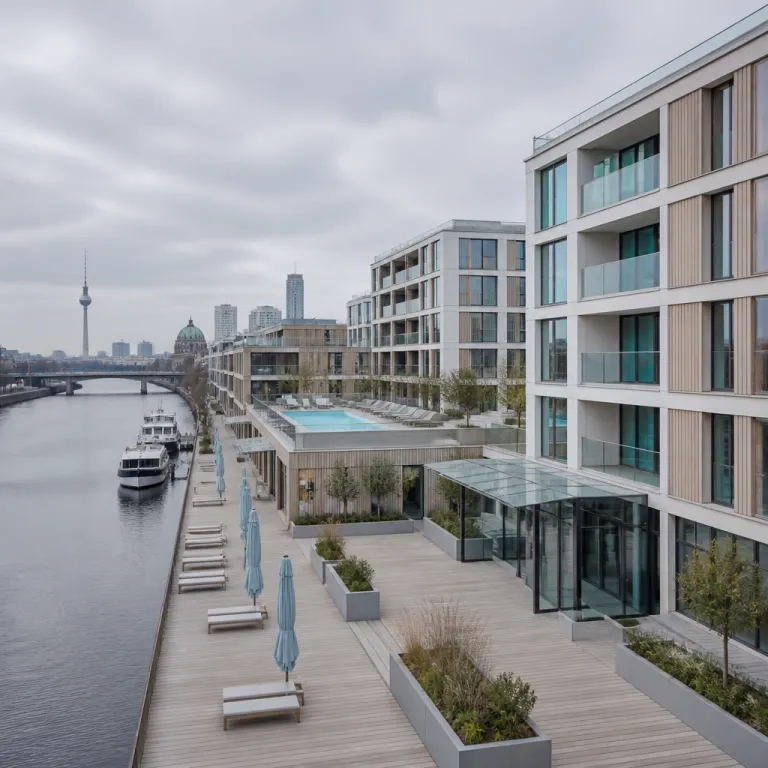
How Berlin’s evolving luxury pipeline elevates premium hotel stays
Berlin’s high end hotel scene is in a quiet transformation. A steady luxury development pipeline of new openings and refreshed icons keeps raising expectations for premium stays. For travelers, this ongoing wave of projects means more choice, sharper service, and better value across the city.
Guests booking a five star room near Brandenburg Gate now compare heritage palaces with sleek contemporary towers. As this luxury development pipeline advances, established brands like Hotel Adlon Kempinski and Regent Berlin refine suites, wellness areas, and concierge services to stay competitive. The same competitive pressure also encourages independent properties to invest in soundproofing, sustainable materials, and elevated gastronomy.
Location remains the first filter for most visitors. Recent and upcoming luxury projects cluster around Mitte, City West, and the rapidly changing areas near Hauptbahnhof and East Side Gallery. Choosing among them becomes easier when you align your priorities with the city’s distinct neighborhoods.
Top luxury addresses in Mitte for culture focused stays
Mitte concentrates many of Berlin’s most prestigious hotels. Travelers who want walking access to Museum Island, Unter den Linden, and Gendarmenmarkt often start their search here, where a constant flow of premium openings keeps the district competitive. This central area suits guests who value architecture, galleries, and fine dining within a compact radius.
Hotel Adlon Kempinski overlooks Brandenburg Gate and remains a reference point for classic European luxury. After extensive post reunification reconstruction and later upgrades in the 2010s, it has modernized spa facilities and security standards while preserving its grand lobby and butler style service. Nearby, Regent Berlin offers a quieter atmosphere with spacious rooms, refined fabrics, and views over Gendarmenmarkt’s historic churches.
Travelers seeking apartment style comfort with premium services can look to properties such as the Adina Apartment Hotel Berlin Krausenstrasse near Checkpoint Charlie. This kind of address reflects the broader trend toward flexible layouts, where guests enjoy kitchenettes, separate living areas, and hotel level amenities. One recent guest described the experience as “more like a city apartment with a front desk downstairs,” a balance that appeals to business travelers staying several nights.
City West and Kurfürstendamm for classic glamour and shopping
City West, anchored by Kurfürstendamm, appeals to travelers who enjoy established luxury brands and department stores. Here, the current renovation cycle focuses on updating historic properties and integrating wellness concepts that match global standards. The area suits guests who prefer tree lined avenues, flagship boutiques, and a slightly slower pace than Mitte.
Hotels such as Hotel Zoo Berlin and Waldorf Astoria Berlin exemplify this shift. Their redesigns bring in contemporary art, improved sound insulation, and upgraded suites with panoramic city views. Many rooms now feature marble bathrooms, high thread count linens, and smart room controls that align with expectations in Paris or London.
Wellness has become a decisive factor in the premium segment. Berlin’s high end fitness and spa offerings now rival destination resorts, a trend explored in depth in this analysis of how the hotel gym has changed in the city’s luxury properties. These investments form a crucial part of the city’s luxury evolution, as travelers increasingly expect serious gyms, hydrotherapy zones, and expert therapists rather than token facilities.
Emerging luxury hubs near Hauptbahnhof and the Spree
Areas around Berlin Hauptbahnhof and the northern Spree have changed rapidly. Once dominated by offices and infrastructure, they now benefit from a wave of design forward hotels aimed at both business and leisure guests. This shift offers travelers shorter transfers, modern architecture, and easy access to multiple districts.
Newer properties emphasize generous public spaces, floor to ceiling windows, and efficient layouts. Many of them integrate co working zones, rooftop bars, and river facing terraces that appeal to digital nomads and conference attendees alike. Soundproofing and air quality systems also tend to be more advanced in these recent builds.
For visitors who want refined city living close to the station, options like the Urban Loft Berlin near the central station illustrate this new generation of premium stays. These hotels sit at the intersection of changing travel habits and infrastructure upgrades, where guests value fast rail connections as much as interior design. Choosing such a base can reduce transfer stress while keeping major sights within a short tram or S Bahn ride, especially for those comparing wellness hotels near Hauptbahnhof with more historic districts.
How to choose the right Berlin luxury hotel for your trip
Selecting among Berlin’s top tier hotels starts with clarifying your priorities. The expanding luxury development pipeline has widened the range of options, so matching your stay to your travel style matters more than ever. Think in terms of neighborhood, room type, wellness needs, and dining preferences rather than just star ratings.
For culture focused stays, Mitte’s grand addresses and discreet luxury properties work best. Business travelers often benefit from the clusters around Hauptbahnhof or Potsdamer Platz, where meeting spaces, transport links, and quiet rooms align with packed schedules. Shoppers and gastronomy enthusiasts may prefer City West or Charlottenburg, where classic avenues and established restaurants dominate.
Length of stay also shapes the ideal choice. Guests planning a week or more often appreciate apartment style suites with kitchenettes, a segment strongly represented in Berlin’s recent premium openings. Short city breaks, by contrast, tend to favor iconic addresses with memorable lobbies, destination bars, and immediate access to landmarks, particularly for visitors searching for luxury hotels Berlin Mitte 2025 and beyond.
Service, sustainability, and what to expect on site
Service quality in Berlin’s luxury segment has become more consistent. Competitive pressure from new and renovated properties pushes teams to refine training, language skills, and concierge networks. Guests can reasonably expect 24 hour reception, multilingual staff, and tailored recommendations in the upper tier.
Sustainability now plays a central role in design and operations. Many hotels opened or refurbished since the mid 2010s pursue certifications such as Green Key or LEED, installing energy efficient systems, filtered water stations, and local sourcing for restaurants. Travelers increasingly ask about these measures at booking stage, using them as a tie breaker between similar options.
On site, you will notice small but meaningful details. Recent investments have encouraged better mattresses, blackout curtains, and acoustic insulation, which directly affect sleep quality. High speed Wi Fi, multiple charging points, and clear wayfinding signage have also become standard expectations rather than extras.
Booking strategies and timing for the best value
Securing a premium room in Berlin at a fair rate requires timing and flexibility. The addition of new capacity helps moderate prices, but demand still spikes during major trade fairs and cultural events. Planning around these peaks can significantly improve both availability and value.
Midweek nights often cost more in business heavy districts near Messe Berlin or government buildings. Leisure travelers who can shift stays to shoulder periods benefit from competitive pricing, as hotels use targeted offers to fill rooms outside peak demand. Monitoring flexible rates and free cancellation policies allows you to react quickly when a preferred property adjusts prices.
Direct booking through the hotel’s own website remains a strong strategy. Many leading Berlin properties offer added benefits such as late checkout, spa credits, or room upgrades for direct reservations. For complex itineraries or multi room stays, contacting the property’s reservations team can unlock tailored offers that do not appear on comparison platforms.
Key figures on Berlin’s luxury and premium hotel market
- According to visitBerlin’s tourism statistics report for 2019, the city recorded around 34 million overnight stays, with a growing share in the upper upscale and luxury segments as new projects came online.
- Data from the German Hotel and Restaurant Association (DEHOGA) for 2018–2019 indicate that Berlin’s average hotel occupancy often exceeds 70 percent in high season, which underlines why additional capacity remains important for price stability.
- Market analyses from STR’s EMEA hotel performance releases between 2018 and 2022 show that revenue per available room in Berlin’s luxury and upper upscale category has trended upward over several recent reporting periods, reflecting both rising room rates and improved demand supported by refreshed properties.
- VisitBerlin’s 2019 annual report notes that international guests account for roughly 40 percent of overnight stays, a share that encourages global brands to invest in new flagships and upgraded properties.
FAQ about booking luxury hotels in Berlin
Which area of Berlin is best for a first luxury stay ?
Mitte suits most first time visitors who want easy access to major sights, galleries, and restaurants. The concentration of high end hotels and the steady flow of premium openings give you a wide range of styles and price points. City West is a strong alternative if you prefer classic avenues and upscale shopping.
How far in advance should I book a luxury hotel in Berlin ?
For peak periods such as major trade fairs, festivals, or holiday seasons, booking three to six months ahead is advisable. The expansion of new and renovated properties improves overall capacity, but top addresses near Brandenburg Gate or Kurfürstendamm still sell out early. For off peak midweek stays, a shorter lead time usually suffices.
Are Berlin’s luxury hotels suitable for families ?
Many high end properties in Berlin welcome families with connecting rooms, extra beds, and child friendly menus. In newer and recently renovated hotels, larger entry level rooms and flexible layouts often work well for parents with children. Always check in advance for baby cots, babysitting services, and pool access rules.
Do Berlin luxury hotels offer good wellness and spa facilities ?
Wellness has become a major focus in the city’s premium segment. Many hotels feature serious gyms, saunas, pools, and treatment rooms that compare favorably with dedicated spas. Reading recent guest reviews helps you distinguish between token facilities and truly comprehensive wellness areas.
Is it better to stay near Hauptbahnhof or in a more historic area ?
Staying near Hauptbahnhof offers excellent transport links and quick airport or rail connections, especially in newer hotels shaped by recent development. Historic areas such as Mitte or Charlottenburg provide more atmosphere, heritage architecture, and traditional streetscapes. Your choice depends on whether convenience or character ranks higher for your particular trip.