How to Choose the Right Hotel in Berlin Mitte for Your Trip
Why the Mitte district works so well as a base
Stand on Unter den Linden at dusk and you understand immediately why the Mitte district is the classic choice for a first stay in Berlin. The city gathers around you in every direction: the river Spree to one side, the Brandenburg Gate a short walk away, Museum Island just across the bridge. For a hotel in Berlin, this is the closest you get to the symbolic centre of the German capital.
The practical argument is simple. From a hotel located in Mitte Berlin, you can walk to Checkpoint Charlie, the Reichstag, the historic Gendarmenmarkt and the major museum cluster without negotiating long U-Bahn journeys. From Unter den Linden to the Brandenburg Gate is around 10 minutes on foot, and to Museum Island roughly 8–12 minutes depending on your exact starting point. For a short trip of two or three nights, that walking radius matters more than any other factor. You spend your time discovering central Berlin, not commuting through it.
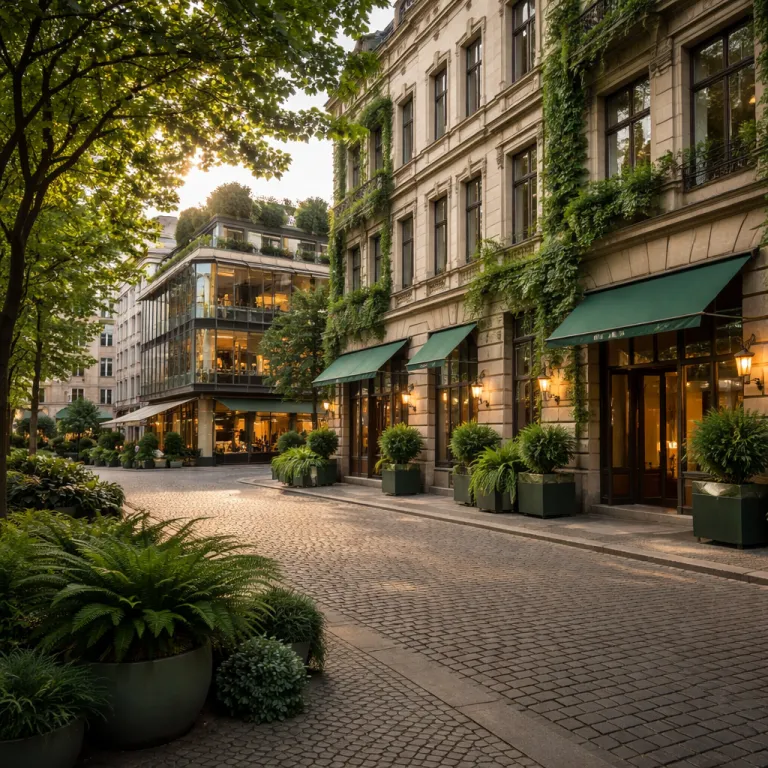
The atmosphere is more nuanced. Parts of the Mitte district feel almost ceremonial, with grand façades and generous street width along Unter den Linden and Friedrichstraße. Turn a corner and you are in small side streets with cobblestones, inner courtyards and low-rise living spaces that still carry traces of pre-war Berlin. This contrast between large boulevards and intimate backstreets is what makes staying in a hotel Berlin Mitte so compelling.
What to expect from hotels in Berlin Mitte
Rooms in this part of the city tend to be designed for urban travellers rather than resort guests. Expect compact but well-planned layouts in many hotel rooms, with careful use of height for storage and clean-lined furniture that leaves enough width to move comfortably even in a small category. Double bed configurations dominate, often with king-size options in higher room types, which works well for both couples and friends sharing.
The more premium addresses in Mitte Berlin, such as Hotel Adlon Kempinski (5-star, typical entry-level rooms around 30–35 m², often from roughly €450–€650 per night in high season as of 2024) or The Ritz-Carlton at Potsdamer Platz (5-star, standard rooms from roughly 27–30 m², with typical nightly rates in the €380–€600 range in 2024), usually offer a clear separation between sleeping and living zones, even in standard rooms. You might find a small lounge chair by the window, a desk facing the city, or a bench at the end of the bed that doubles as luggage space. Large corner rooms, when available, are worth checking for their extra light and more generous sense of volume, especially if you plan to spend time working or relaxing in the room.
Service style in the Mitte district leans toward discreet and efficient rather than overly familiar. English is widely spoken, and the overall approach is friendly without being intrusive. Many properties have embraced a more contemporary, art-aware aesthetic, with curated photography or Berlin-focused works in corridors and lobbies. It is not about ostentatious luxury; it is about a calm, urban elegance that fits the rhythm of the city.
Location trade-offs inside Mitte: where exactly to stay
Choosing a hotel Berlin Mitte is less about the district label and more about the exact corner you pick. A location hotel near the Brandenburg Gate and Pariser Platz, for example Hotel Adlon Kempinski or the nearby NH Collection Berlin Mitte am Checkpoint Charlie (4-star, standard rooms usually around 20–24 m² and often priced from roughly €140–€220 per night in 2024), places you in the ceremonial heart of Berlin, ideal if you want to step out of the lobby and be at major landmarks within minutes. From Brandenburger Tor U-Bahn station (U5), you can reach Alexanderplatz in about 7 minutes, while the walk from Pariser Platz to the Reichstag takes around 5–7 minutes. You gain instant access to the Tiergarten, the government quarter and the classic postcard views, but you trade some local neighbourhood feel for that grandeur.
Shift east towards Museumsinsel and the area around Bodestraße and you are in a different mood. Here, the focus is on culture: world-class museum collections, the cathedral, and the river promenades. Hotels in this zone suit travellers who plan to learn as much as possible about Berlin’s history and art, and who appreciate being able to walk to several museums in a single day without using transport. From many addresses near Hackescher Markt S-Bahn station (S3, S5, S7, S9), you can reach Museum Island in about 5–10 minutes on foot. Evenings are quieter, with a few refined restaurants rather than a dense bar scene.
Further south, around Friedrichstraße and Checkpoint Charlie, the Mitte district becomes more mixed. Offices, galleries, and residential buildings sit side by side, and the streets feel busier during the day. A hotel located here works well if you want a balance between sightseeing and contemporary city living, with easier access to Kreuzberg and the East Side of the city for dining and nightlife. From Stadtmitte U-Bahn station (U2, U6), you can reach Potsdamer Platz in about 3 minutes and Zoologischer Garten in roughly 10 minutes. It is a good compromise for friends and family groups who have different priorities.
For whom Mitte is ideal – and when to look elsewhere
Travellers on a short trip who want to see the essential Berlin landmarks in two or three days are the ones who benefit most from staying in Berlin Mitte. You can walk to the Brandenburg Gate at sunrise, visit several museums before lunch, then cross to the former border line at Checkpoint Charlie in the afternoon. The time saved on transport is significant, especially if you are travelling with children or older relatives who tire more quickly.
First-time visitors to Berlin also tend to feel more anchored in the Mitte district. The urban grid is legible, signage is clear, and there is a reassuring density of cafés, restaurants and cultural venues within a few hundred metres of most hotels. If you are travelling with friends or family groups, this centrality makes it easier for people to peel off and reconvene without complex planning. Everyone can find their own rhythm in the city.
There are, however, reasons to consider other districts. If your main interest lies in late-night club culture, experimental art spaces along the East Side of the Spree, or long evenings in neighbourhood bars, areas like Kreuzberg, Friedrichshain or Neukölln may feel more aligned with your priorities. Experiences in Mitte are more about history, architecture and design than about underground nightlife. For repeat visitors who already know the city’s core, staying slightly outside Mitte can offer a different, more residential perspective.
Facilities and services to check before you book
Before you confirm any hotel room in the Mitte district, it is worth checking a few specific points that make a real difference to comfort. Room size is the first. In central Berlin, entry-level categories can be compact, so pay attention to the stated square metres and whether the layout offers a clear separation between the sleeping area and any small living corner. As a rough guide, standard rooms in many mid-range properties start around 18–22 m², while upscale hotels often begin closer to 25–30 m². If you value a sense of space, consider upgrading to a larger category rather than focusing only on the view.
Wellness facilities are another key differentiator. Some properties in Mitte Berlin offer full fitness wellness areas with a gym, sauna and sometimes a small pool, while others provide only a basic fitness room or no dedicated wellness space at all. If you like to start the day with a workout or unwind after walking the city, this is worth verifying in detail. The quality and opening hours of these spaces vary, so do not assume that every central hotel in Berlin includes them.
Mobility options matter too. Bike rental is increasingly common in the city, and having bicycles available directly from your hotel located in Mitte can transform how you experience the area. You can ride along the Spree, reach the East Side Gallery in under 20 minutes from central Mitte, or explore quieter residential streets that you might otherwise miss. For families, ask whether the property offers connecting rooms or flexible bedding options beyond a standard double bed, as this can be crucial for a smooth stay.
Atmosphere, dining and everyday living around your hotel
Life in Berlin Mitte unfolds differently depending on the street you choose. Around Oranienburger Straße and Auguststraße, the focus is on galleries, small design shops and a lively evening scene, with people spilling out of bars and casual restaurants. A hotel located near these streets suits travellers who enjoy stepping directly into the city’s social life, with plenty of options for a late drink after a day of museums. The soundscape is more animated, the energy higher.
Closer to the river and Museum Island, the rhythm slows. Here, you are more likely to start the day with a quiet walk along the Spree before breakfast, watching boats move past and commuters cross the bridges. Many hotels in this part of the Mitte district offer dining rooms with large windows or terraces, so you can sit with a generous breakfast menu while planning your route through the museums. It feels almost contemplative, especially outside peak season.
Food-wise, the area reflects the broader character of Berlin: international, informal, and rarely intimidating. You will find everything from classic German dishes to contemporary vegetarian menus within a short walk of most hotels. For longer stays, this everyday convenience matters more than any single “destination” restaurant. It turns your Berlin Mitte hotel base into a practical, comfortable starting point for daily living in the city, not just a place to sleep.
How to find the perfect hotel in Berlin Mitte for your trip
Start with your priorities rather than with a list of names. If your main goal is to learn about the city’s history and art, focus on a location hotel within easy walking distance of Museum Island, the Brandenburg Gate and the former border line near Checkpoint Charlie. For travellers who care more about contemporary galleries, cafés and a younger crowd, look at addresses slightly north and east within Mitte, where the streets feel more residential and creative.
Next, think about how you like to use your room. If you treat the hotel room as a simple base, a well-designed but small category with a comfortable double bed and efficient storage will be enough. If you plan to work, rest or host friends or family for a drink before dinner, prioritise larger room types with a clear living area, good natural light and seating that goes beyond a single chair. The difference in day-to-day comfort is substantial.
Finally, consider how you move through the city. If you enjoy walking, central Mitte will cover most of your needs. If you prefer to explore further east along the river, towards the East Side of the city and the open-air artworks of the former wall, check for easy access to S-Bahn or U-Bahn lines and, ideally, on-site bike rental. The right combination of location, room layout and mobility options is what truly helps you find the perfect base in Berlin Mitte.
Is Berlin Mitte a good area to stay in for first-time visitors?
Berlin Mitte is one of the best areas for first-time visitors because it concentrates many of the city’s key sights within walking distance, including the Brandenburg Gate, Museum Island and Checkpoint Charlie. Staying in this central district reduces travel time across the city and makes it easier to structure a short trip of two or three days. The mix of historic landmarks, cultural venues and everyday city living also gives a balanced first impression of Berlin.
What should I check before booking a hotel in Berlin Mitte?
Before booking, check the exact location of the hotel in relation to the places you plan to visit, as distances within Mitte can still be significant. Review room size and layout, especially if you value space for working or relaxing beyond the bed. It is also worth verifying whether the property offers fitness wellness facilities, bike rental and suitable room options for friends and family, such as connecting rooms or flexible bedding. Price levels and room sizes mentioned in this guide are indicative only and based on publicly available information in 2024, so always confirm current details directly with the hotel.
Is Berlin Mitte suitable for families?
Berlin Mitte works well for families because many major attractions are close together, which limits long journeys with children. Wide pavements, pedestrian zones and parks such as the Tiergarten are easily accessible from central hotels. When travelling with children, it is important to look for family-friendly room configurations, clear information about extra beds, and nearby casual dining options that make everyday living straightforward.
How does staying in Mitte compare to staying in other Berlin districts?
Staying in Mitte prioritises proximity to historic sites, museums and formal city landmarks, making it ideal for cultural travellers and first-time visitors. Other districts such as Kreuzberg or Friedrichshain offer a stronger focus on nightlife, experimental art spaces and a more overtly alternative atmosphere, but they are further from the Brandenburg Gate and Museum Island. In short, Mitte is better for classic sightseeing and central convenience, while outer districts excel at more local, late-night experiences.
Is Berlin Mitte a good base for exploring the East Side Gallery and the riverfront?
Berlin Mitte is a practical base for visiting the East Side Gallery and the riverfront, although these sites are not within the immediate core of the district. From most central hotels, you can reach the East Side of the city by public transport or bike in a relatively short time, then return to the quieter, more formal streets of Mitte in the evening. This combination suits travellers who want to see the former wall artworks without giving up the advantages of a central location.