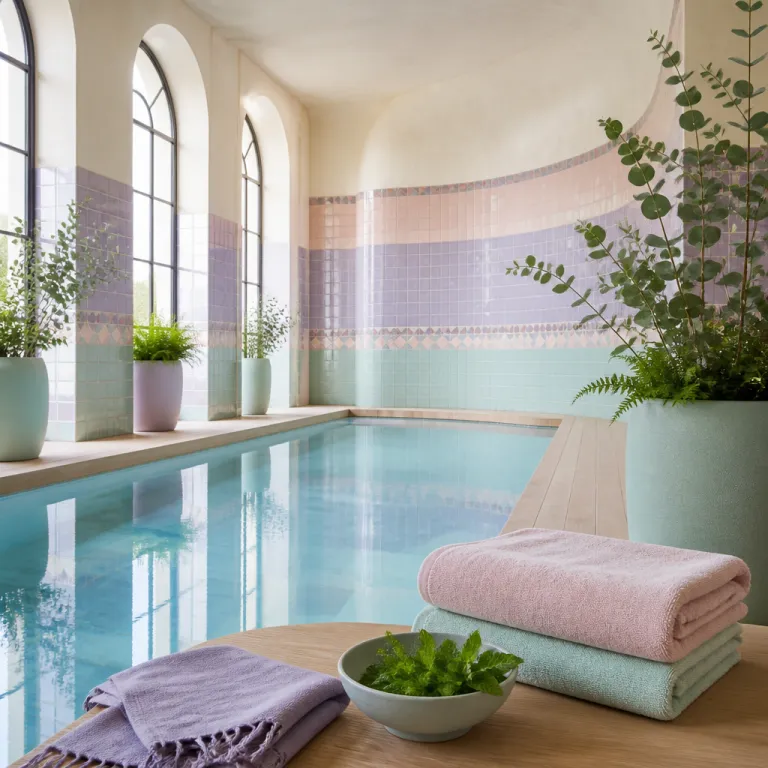
From Badekultur to berlin thermal bath spa hotel luxury
Berlin grew up around water, and its Badekultur runs deeper than many first time visitors expect. Long before any berlin thermal bath spa hotel existed, public baths and early therme complexes shaped how locals think about wellness, rest, and social life. When you book a luxury stay today, the most interesting hotel spa concepts still echo those historic thermal baths rather than copying anonymous global trends.
Modern properties work with this heritage by treating every spa experience as a quiet ritual, not just a quick dip in a pool between meetings. In a city with more than 60 public pools and a long tradition of thermal bath architecture, guests now expect serious saunas, steam circuits, cold plunge basins, and thoughtful hydrotherapy that respects the rhythm of time rather than rushing it. For families, that means choosing a Berlin hotel spa or therme style resort where the wellness area offers both playful water fun for children and calmer experiences for adults, often separated by clever zoning and clear opening hours.
Badekultur also shapes how Berliners use thermal baths socially, which matters when you plan a wellness day with children or teenagers. Locals treat a visit to a therme or hotel spa almost like a small holiday, arriving early, staying for hours, and moving slowly between saunas, steam rooms, thermal pools, and outdoor area relaxation decks. If you want to feel good rather than overwhelmed, think of your chosen berlin thermal bath spa hotel as a base camp for exploring this culture, not just as a place to sleep between museum visits and Brandenburg Gate photo stops.
Vaults, views and serious heat: hotel spas rooted in history
Some of Berlin’s most compelling wellness experiences sit inside buildings that were never meant to host a hotel spa at all. At Hotel de Rome on Bebelplatz, the spa area occupies the former bank vault, where thick walls now cocoon a tranquil thermal pool and intimate saunas and steam rooms. The design respects the building’s past while adding soft water light, creating a berlin thermal bath spa hotel atmosphere that feels both historic and quietly theatrical.
Across in City West, Waldorf Astoria Berlin leans into vertical drama rather than underground seclusion, pairing skyline views with the Guerlain Spa’s meticulous treatment program. Here the focus is less on large thermal baths and more on curated wellness experiences, with therapists trained to structure a full wellness day that might combine a saltwater pool session, targeted massage, and time in a Finnish sauna. A typical three hour spa access pass for external guests is often advertised in the €80–€100 range, with signature treatments adding roughly €120–€200 depending on duration and season; always confirm current prices directly with the hotel.
Closer to the historic core, Titanic Gendarmenmarkt channels Ottoman bathing traditions in its Hammam & Spa, where warm stone, flowing water, and steam driven rituals recall older forms of Badekultur. The hotel spa team here understands that many guests are new to such thermal bath customs, so staff quietly explain etiquette, from when to wear swimwear to how to move between hot and cold zones. One guest described her first visit as “like stepping into a different tempo of the city—after an hour in the hammam, Berlin suddenly felt slower and softer.” These properties show how a berlin thermal bath spa hotel can honor history while still feeling contemporary, using architecture, Berlin water, and light to frame a relaxing wellness narrative rather than just offering generic pools and saunas.
Liquidrom, Vabali and the day spa culture every guest should know
To understand Berlin’s Badekultur properly, you need to step outside your hotel spa at least once. Two names come up again and again when locals talk about a serious wellness day: Liquidrom in Kreuzberg and Vabali Spa near Hauptbahnhof. Both are day spas rather than hotels, yet they strongly influence what travelers now expect from any berlin thermal bath spa hotel stay or urban wellness break.
Liquidrom is built around a striking saltwater pool under a tent like dome, where underwater music turns floating into a meditative spa experience. The combination of warm saltwater, low water light, and gentle sound creates a modern interpretation of thermal baths culture that feels distinctly Berlin rather than generically tropical. Standard admission for adults is typically listed around €25–€30 for a two hour session, with extended day tickets and evening events priced higher; check the official site for the latest details. Vabali, by contrast, spreads out as a village of saunas, steam pavilions, thermal pools, and quiet outdoor area decks framed by palm trees and timber, yet its rhythm of Aufguss rituals and silent zones is pure German Badekultur.
Families should note that both places have clear rules about children, nudity, and textile free saunas, which differ from many American wellness experiences. Liquidrom generally allows teenagers from 14 with an adult, while Vabali is largely adults only and enforces a strict no swimwear policy in sauna zones; specific age limits and textile rules can change, so always verify them directly before visiting. Before you book a berlin thermal bath spa hotel, it is worth reading a detailed overview of Berlin’s day spa scene, then deciding how much time you want to spend in dedicated therme style spaces versus your hotel’s own spa area. Many luxury properties now sell vouchers or packages that combine their facilities with partner thermal baths, letting you balance the convenience of an in house pool with the deeper cultural immersion of a full Badekultur complex.
Families, etiquette and the fine print of Berlin’s wellness culture
For American families, the biggest surprise in a berlin thermal bath spa hotel is rarely the design, but the etiquette. German Badekultur assumes a relaxed attitude to nudity in many saunas and steam zones, especially in dedicated therme complexes and some hotel spa areas. Textile free rules usually apply only in specific thermal baths sections, yet it is essential to check signage and ask staff if you are unsure.
Children are welcome in many pools and thermal bath zones, but not always in the hottest saunas or quiet relaxation rooms. When you book, look carefully at each property’s opening hours for families, as some reserve certain times for adults only wellness experiences to protect the calm atmosphere. A good Berlin spa hotel will spell out these details clearly, including whether the saltwater pool is suitable for younger swimmers and how the outdoor area is divided between play and deep relaxing wellness.
Practicalities matter too, from Berlin water quality to payment options for extras like food, treatments, and spa experience upgrades. Many places sell vouchers that can be used for a future wellness day, which works well if you are combining a city break with a return visit to Brandenburg or the nearby lakes and islands. Remember that “What is Badekultur?” and “Are Berlin hotel spas open to non-guests?” are common questions, and the most reliable answer remains: “Traditional German bathing culture emphasizing wellness.” and “Many offer day spa options to non-guests.”
Planning your berlin thermal bath spa hotel stay: from tropical islands to open sky pools
Choosing the right berlin thermal bath spa hotel starts with deciding how central you want to be and how much time you will actually spend in the water. If your family plans long museum days and evenings exploring the city’s dining scene, a compact yet high quality spa area with one good pool, a couple of saunas and steam rooms, and a small outdoor area may be enough. In that case, prioritize properties with flexible opening hours, easy access to public transport, and a calm hotel spa where you can feel good after a day in Mitte or Kreuzberg.
If wellness is the main purpose of the trip, you might combine a central hotel with a full day at a destination therme such as Tropical Islands Resort south of Berlin. This former airship hangar now houses tropical themed pools, palm trees, and open sky style domes that create a family friendly alternative to more traditional thermal baths, even if purists see it as entertainment rather than classic Badekultur. The complex can host several thousand visitors per day, so booking online in advance is recommended, especially on weekends and school holidays. The contrast between such tropical islands style fun and the quieter, more exclusive spa environments in the city shows how broad Berlin’s wellness experiences have become.
Food plays a quiet but important role in any extended spa experience, especially when you are managing children’s energy levels between water slides and saltwater pool sessions. Many luxury hotels now align their spa menus with the broader culinary scene, offering light, seasonal dishes that echo the city’s reputation for creative restaurants and relaxed cafés; for more context, see this guide to Berlin’s dining scene as a discreet luxury. Whether you stay near Brandenburg Gate or out towards the lakes, the best berlin thermal bath spa hotel for your family will balance serious wellness infrastructure with enough fun, water light, and open sky moments to make everyone feel they have had a real break.
FAQ
What is Badekultur and why does it matter for hotel spas ?
Badekultur is traditional German bathing culture that treats water based rituals as part of everyday wellness rather than an occasional luxury. In Berlin, this heritage shapes how hotel spas design their thermal baths, saunas, steam circuits, and relaxation rooms, often emphasizing quiet, extended stays over quick visits. When you choose a berlin thermal bath spa hotel or urban therme retreat, you are tapping into this culture, which values respectful etiquette, high quality Berlin water, and a clear separation between fun pool zones and deeper relaxing wellness areas.
Are Berlin hotel spas open to non guests ?
Many of the city’s leading hotel spa facilities welcome external visitors for a fee, especially during off peak opening hours. Day spa passes often include access to the pool, thermal bath zones, and selected saunas, with the option to book treatments or buy vouchers for future visits. It is wise to reserve in advance, as some berlin thermal bath spa hotel properties limit numbers to preserve a calm atmosphere for in house guests.
Which Berlin hotel spas are best for families with children ?
Families usually do well in hotels where the spa area clearly separates child friendly water zones from quieter wellness experiences. Properties with generous pools, some outdoor area space, and flexible time slots for families allow children to enjoy fun swimming while adults still access saunas, steam rooms, or a saltwater pool. Always check age limits for specific thermal baths and ask whether flotation devices are allowed, as rules vary between each Berlin wellness hotel.
How does Berlin compare to other European thermal bath cities ?
Berlin’s Badekultur is less monumental than Budapest’s grand thermal baths and less minimalist than many Scandinavian spa complexes, yet it feels more woven into daily urban life. You will find serious therme style facilities, but also smaller hotel spa spaces and neighborhood pools that locals use regularly rather than only on holiday. For travelers, that means a berlin thermal bath spa hotel stay can combine cultural sightseeing, contemporary dining, and authentic wellness day rituals without ever leaving the city limits.
Do I need to bring anything special for a Berlin spa experience ?
Most berlin thermal bath spa hotel properties provide towels and sometimes robes, but you should always bring swimwear unless you are visiting a clearly textile free therme zone. Flip flops, a reusable water bottle, and a light cover up for moving between indoor and outdoor area spaces make the wellness day more comfortable. If you plan to visit multiple thermal baths or day spas, consider buying vouchers in advance, as some gGmbH style operators and private gmbh companies offer discounted packages for repeat wellness experiences.