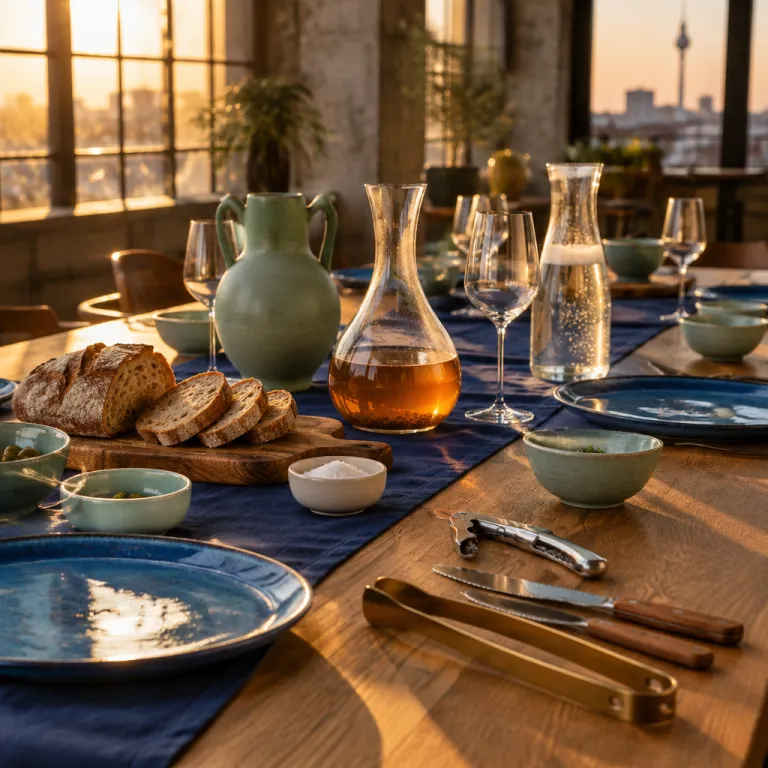
How berlin communal dining shared plates redefine luxury for hotel guests
Luxury travelers arriving in Berlin increasingly ask where they can find relaxed communal dining with shared plates rather than white tablecloth formality. The city’s most interesting restaurants now treat a dinner table as a social stage, where people lean in, pass dishes and talk as much about the natural wines as the food. For couples used to classic fine dining, this shared plate dining experience feels both unhurried and quietly indulgent, with candlelight, low music and the soft clink of glasses setting the tone.
In high end hotel contexts, the shift is subtle but decisive, because the best restaurant teams curate a menu seasonal enough to change weekly while still feeling coherent for international guests. Instead of a rigid three course dinner, you might see a changing menu of six to eight small plates designed for sharing, from charcoal grilled vegetables to refined takes on Italian inspired pasta or slow cooked meats. This berlin communal dining shared plates approach lets two guests sample more of the cuisine without committing to a single large main course each, and staff are usually happy to pace dishes so the evening unfolds slowly.
For a romantic stay, this format matters, since sharing plates naturally slows the rhythm of the evening and keeps conversation flowing. Couples can order a bottle of natural wine, then build their own restaurant experience course by course, adding another plate when they feel like extending the night or pausing between dishes. Many of Berlin’s luxury properties now keep their hotel bar physically open to the dining room, so the boundary between aperitif, dinner and nightcap becomes pleasantly blurred, with guests drifting between a sofa by the fireplace and a high table near the open kitchen.
From Kreuzberg to Prenzlauer Berg: where berlin communal dining shared plates come alive
Step outside the lobby and the real education in berlin communal dining shared plates begins in the neighborhoods, where small restaurants and wine bars quietly set the tone. In Neukölln, Ezra (often written EZRA) on Friedelstraße 47 has become a reference point for guests who want a relaxed yet polished dining experience built entirely around sharing plates and natural wines. Here, the open kitchen sends out a changing menu of Mediterranean leaning dishes such as grilled octopus with lemon and herbs or slow roasted lamb, while the bar team pours natural wine from Germany, France and beyond in a candlelit setting; expect to spend around €45–€65 per person for food and wine.
Nearby, Jaja on Weichselstraße 7 and The Rad on Weserstraße 207 show how a wine focused restaurant experience can still feel welcoming to hotel guests who might be new to natural wines. At Jaja, the food is deliberately simple but deeply flavored, designed so people can order several plates and let the staff guide them through the natural wine list; regulars often mention the seasonal burrata as a must order, and reservations for the 19:00–21:00 window are strongly advised. The Rad leans into a café by day, bar by night rhythm, with tapas style food that works for a light brunch lunch or a late open dinner after a gallery opening, typically staying lively until around midnight on weekends and offering many wines by the glass in the €6–€9 range.
Across town in Friedrichshain, La Pecadita on Wühlischstraße 30 and Cielo Berlin on Gärtnerstraße 15 both pair natural wines with small plates that encourage sharing, from seafood to vegetable driven dishes. At La Pecadita, guests often split plates of ceviche or grilled prawns and should budget roughly €8–€14 per dish, while Cielo might serve roasted cauliflower with tahini alongside a glass of skin contact wine and a board of charcuterie. Couples staying in nearby premium hotels often treat these addresses as an extension of their own hotel restaurant, returning across several nights to explore the changing menu; one frequent visitor describes the experience as “like having a neighborhood dining room just around the corner from your suite.” For a broader view of how these neighborhood spots complement the city’s upscale scene, our guide to Berlin’s dining scene as a discreet luxury maps how communal tables and wine bars now sit alongside classic fine dining.
Natural wine bars as berlin’s new social salons for travelers
Natural wine has moved from niche curiosity to central character in the berlin communal dining shared plates story, especially for couples who value conversation as much as cuisine. Wine bars such as Cielo Berlin, Jaja and The Rad operate as informal salons, where guests from nearby hotels slide into a bar stool, order a few plates and let the evening unfold at its own pace. Staff often explain that natural wine means wine made with minimal intervention, using organic or biodynamic grapes and little or no added sulphur, which reassures people who are curious but cautious and may be trying orange wine for the first time.
These bars blur the line between restaurant and bar, because the food is too considered to be called simple snacks, yet the atmosphere stays relaxed and unpretentious. A couple might start with one glass of natural wine each, then add a plate of charcuterie, a vegetable dish and perhaps something Italian influenced like burrata with seasonal toppings or handmade focaccia. As the room fills, the setting becomes gently communal, with strangers asking what is in each glass and sometimes sharing a bottle across tables; one Berlin based sommelier describes it as “a living room for the neighborhood, just with better wine and better lighting.”
For travelers used to classic hotel lounges, this feels like a more authentic berlin restaurant experience, where the city’s creative energy is on full display through playlists, handwritten blackboard menus and staff who remember your preferences from the night before. It also complements the city’s Michelin starred addresses, which we map in detail in our overview of Berlin’s Michelin universe. Many couples now split their stay between one night of formal tasting menu dining and another evening spent grazing on shared plates with natural wines in a lively neighborhood bar, creating a balanced picture of Berlin’s culinary personality.
How hotels in Berlin translate communal dining into refined comfort
Luxury and premium hotels in Berlin have started to internalize the berlin communal dining shared plates movement, adapting it to their own standards of service and comfort. Instead of a single grand restaurant, several properties now offer a sequence of spaces, from lobby bar to courtyard terrace, where guests can assemble a dinner from small plates and natural wines or low intervention cocktails. This layout mirrors the city’s Kiez culture, where people move between restaurants, bars and cafés in one evening, turning a simple meal into a gentle stroll through different moods.
For couples, the advantage is flexibility, because you can treat the hotel restaurant as a base and still enjoy a dynamic dining experience that feels tailored to your pace. A menu seasonal in structure might feature grilled fish to share, a vegetable focused plate, and one richer meat dish, all portioned for two or more guests and often available both in the dining room and via room service. Families benefit as well, since sharing plates make it easier to accommodate children’s tastes without ordering separate full size mains for everyone at the table; hotel concierges often note that this format reduces food waste and keeps younger diners engaged by letting them taste a little of everything.
Some properties now host private communal tables for small groups, offering a semi private setting that still captures the social energy of berlin communal dining shared plates without feeling crowded. These dinners often feature a changing menu built around local produce and paired with natural wine flights, curated by a sommelier who understands the city’s bar scene and can recommend where to continue the night. To see how these concepts sit alongside spa suites, design led rooms and other amenities, consult our guide to refined comfort in Berlin’s luxury hotels, which places dining on equal footing with wellness and design.
Planning your communal dining itinerary from a Berlin hotel base
Building an itinerary around berlin communal dining shared plates starts with choosing a hotel in a neighborhood where you can walk to several restaurants and wine bars within ten to fifteen minutes. Kreuzberg, Neukölln and Friedrichshain are particularly strong for guests who want to move between a natural wine bar, an Italian leaning restaurant and a late night canal side bar without relying on taxis. Reserve tables in advance, especially for dinner, because the most intimate places keep their doors open but their seating limited; many popular spots in these districts book out the 19:00–21:00 window days ahead, while bar seats may remain available for walk ins later in the evening.
Think of your stay as a sequence of different dining experiences rather than a single big night out. One evening might focus on a restaurant experience at Ezra or Burro Unchained, where a changing menu of shared plates anchors the night and the kitchen often serves until around 22:00, with last orders for food typically taken a little earlier. Another could revolve around a more casual setting at The Rad or Platz doch!, where you graze on food at the bar and let the natural wines guide the pace, perhaps finishing with a nightcap back at your hotel lounge.
To balance indulgence and rest, alternate rich dinners with lighter brunch lunch outings, perhaps returning to the same restaurant to see how the menu seasonal philosophy plays out across the day with different produce. Remember that shared plates work beautifully for both couples and small groups, turning every meal into a quiet celebration of being in Berlin together and making it easy to accommodate different appetites. As one local guide neatly puts it, “Why are shared plates popular? They encourage social interaction and allow tasting multiple dishes,” a sentiment that captures the city’s relaxed but curious approach to food.
FAQ
What is natural wine and why is it so present in Berlin?
Natural wine is wine made with minimal intervention, using organic or biodynamic grapes, and Berlin’s independent bar culture embraced it early as a way to showcase small producers. The style suits the city’s informal dining, where guests talk directly with staff about each bottle and often discover winemakers from Germany, Austria and neighboring countries rather than large commercial labels. For hotel guests, these bars offer an easy way to engage with local food culture without formal tastings, since most places happily pour small samples before you commit to a full glass.
Why are shared plates and communal dining so common in Berlin restaurants?
Shared plates fit Berlin’s social DNA, which favors collective experiences over rigid formality and long solo courses. Restaurants use this format to let people taste more dishes and keep conversation at the center of the evening, whether at a long communal table, a window counter or a cluster of small two tops pushed together. The approach also helps kitchens run a changing menu based on seasonal produce without overcomplicating service, since dishes can leave the pass as soon as they are ready rather than in strict three course waves.
Where can hotel guests experience communal dining with natural wines?
Neukölln and Kreuzberg are strong areas for communal dining paired with natural wines, with many venues clustered along Weserstraße, Friedelstraße and the streets near the Landwehr Canal. Places such as Ezra, Jaja, Cielo Berlin and Platz doch! all offer shared plates in relaxed settings, often with blackboard menus that change daily and a mix of bar stools and small tables. Many premium hotels are within a short taxi ride of these venues, making them easy additions to a city break even if you are staying closer to Mitte or Charlottenburg.
How should couples book and plan berlin communal dining shared plates evenings?
Couples should reserve for prime dinner hours, especially on weekends, because seating is limited in many small venues and popular natural wine bars often fill up quickly. Plan to order several plates to share rather than individual mains, and ask staff to suggest natural wine pairings by the glass or carafe so you can try different styles without over ordering. Building two or three such evenings into a stay gives a fuller picture of Berlin’s current dining experience, and hotel concierges can usually recommend which nights to book specific restaurants based on local events.
Is communal dining suitable for families staying in luxury hotels?
Yes, communal dining works well for families, because sharing plates lets children try different foods without committing to a full portion and encourages them to talk about what they like. Many restaurants are happy to adapt spice levels or suggest simpler dishes for younger guests, and early evening seatings are usually calmer and easier to manage with strollers or high chairs. Some hotels also offer private communal tables, giving families a relaxed setting with attentive service and the option to end the meal early without feeling they are disturbing other diners.