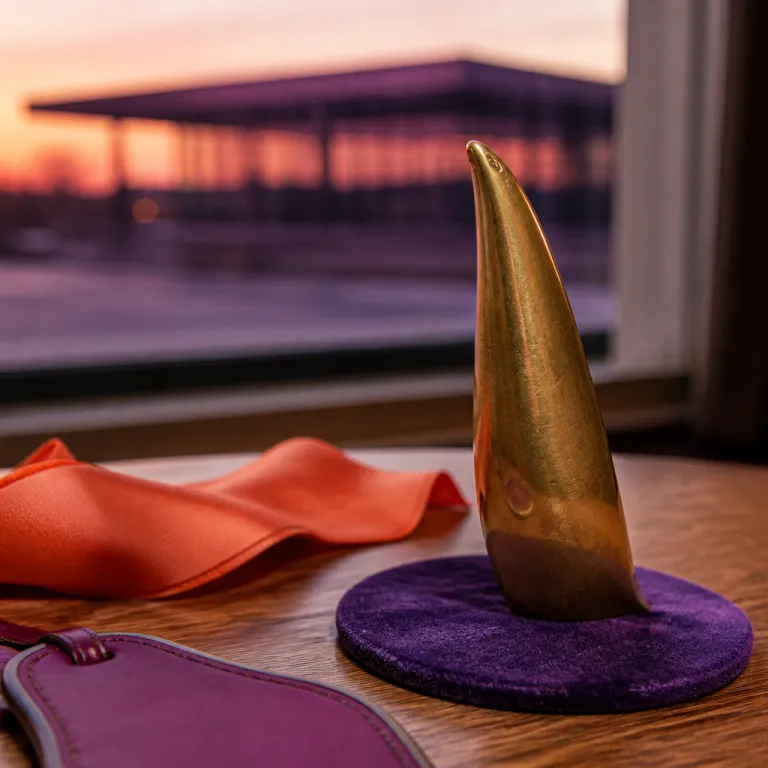
Brancusi exhibition Berlin 2026 as a new kind of cultural pilgrimage
For many art travelers, the Constantin Brancusi show at the Neue Nationalgalerie in 2026 will be the reason to finally plan that long postponed trip to Berlin. This major exhibition at Nationalgalerie Berlin, scheduled from 21 March to 24 August 2026, turns a short city break into a full scale cultural pilgrimage, especially for solo travelers who build their itineraries around art events. When a city hosts a rare, museum defining exhibition exceptional in scope, the smartest luxury guests book their rooms first and their timed tickets for the event second.
The Neue Nationalgalerie is not just a venue; it is part of the artwork, and the 2026 Brancusi event will use Mies van der Rohe’s glass hall to frame sculpture against Berlin’s changing sky. This is the first comprehensive presentation of Constantin Brancusi in Germany in many years, transforming the Neue Nationalgalerie into a temporary epicentre for modern sculpture. For travelers who usually look to Paris or London for a major exhibition, this cultural moment shifts the axis decisively toward Berlin and its Nationalgalerie campus.
Curators Joachim Jäger and a team from the Nationalgalerie are planning a retrospective of Constantin Brancusi, including around one hundred and fifty works that trace his journey from Romania to Paris and into the heart of twentieth century art. The exhibition will include sculptures, photographs and films, using carefully calibrated lighting and gallery design to reveal how this exceptional artist reduced form to its essence. For luxury travelers, that level of curatorial ambition justifies planning several nights in the city, with time to revisit the galleries and experience their different moods across the day.
One wall text will quietly answer a question many visitors bring with them: “Who is Constantin Brancusi? A Romanian-French sculptor, pioneer of modern sculpture.” That single sentence anchors the Berlin exhibition in a wider story of European modernism, migration and artistic exchange. When you stand in front of a polished bronze Bird in Space or the serene curve of a Sleeping Muse, sometimes titled La Muse Endormie, you feel how a century of art history still shapes the way we travel for culture today.
Inside the Neue Nationalgalerie: architecture, tickets and timing your visit
The Neue Nationalgalerie sits at Potsdamer Straße 50, a short walk from Potsdamer Platz and the Kulturforum hotels that serious art travelers quietly favour. Its floating steel roof and glass walls make every exhibition feel like an event, and the Brancusi presentation in 2026 will be no exception. Booking tickets in advance via the official Nationalgalerie Berlin channels is essential, because this major exhibition will attract both Berlin locals and international visitors chasing the most important art events of the season.
When you secure your tickets for the Brancusi show, think in terms of time rather than just a single entry slot. Plan at least two visits to the Neue Nationalgalerie, one early in the morning when the glass hall is calm, and another later in the day when Berlin’s light changes and the sculptures cast longer shadows. Many travelers pair their visit with a quiet coffee in the museum café, using that pause to reflect on how Constantin Brancusi’s work reshaped twentieth century sculpture and how this exhibition exceptional in scope fits into the wider Nationalgalerie programme.
The building itself is part of the draw, especially for guests who choose hotels with strong design credentials in cities like Munich or Paris. If you have stayed in properties featured in guides to cool hotels in Munich for a refined and memorable city stay, you will recognise the same attention to proportion and material at the Neue Nationalgalerie. The 2026 Brancusi event will highlight this dialogue between architecture and art, turning every step through the glass hall into a carefully framed view and a reminder of how a cultural landmark can shape an artistic experience.
Behind the scenes, the exhibition is the result of a cooperation centre between Nationalgalerie Berlin and the Musée national d’Art moderne (MNAM) at the Centre Pompidou in Paris, supported by lenders such as private collections and institutions like Kunstmuseum Bonn and VG Bild-Kunst. This collaboration allows key works to travel from the Pompidou MNAM and from the wider French network coordinated by the Réunion des musées nationaux – Grand Palais (RMN-GP). For travelers, that means you are seeing a constellation of works that would normally require separate trips to Paris, Bonn and other European cities.
From Paris to Berlin: what makes this Brancusi show so rare
Constantin Brancusi built his reputation in Paris, yet the Berlin exhibition in 2026 will show how deeply his work speaks to the city’s own story of reinvention. For the first time in many years in Germany, Nationalgalerie visitors will encounter a reconstruction of the artist’s Parisian studio, created in close dialogue with the Centre Pompidou. This studio environment turns the Neue Nationalgalerie into a kind of time capsule, allowing you to step into the daily working space of an exceptional artist whose influence has shaped twentieth century sculpture.
The cooperation centre between Nationalgalerie Berlin and the Centre Pompidou Paris is crucial here, because it brings together sculptures, photographs and archival material that are usually anchored in the French capital. Works such as the Sleeping Muse, sometimes referenced as La Muse Endormie, will appear alongside photographs from the artist’s own studio, revealing how Brancusi controlled every image of his sculptures. The 2026 exhibition will also address the legal and ethical framework around these images, with clear notes that all rights are reserved and that Brancusi rights and Succession Brancusi govern reproduction, in line with European copyright practice.
For travelers used to visiting the Centre Pompidou or the Pompidou Paris for their modern art fix, this Berlin event offers a different rhythm. Instead of rushing between multiple Parisian museums in a single day, you can slow down in Berlin, spending unhurried time with each work and then walking back to your hotel through the Kulturforum gardens. That slower pace is one reason many luxury guests now plan multi night stays around a single major exhibition rather than trying to tick off every gallery in town, turning a weekend into a focused cultural retreat.
The Brancusi programme at the Neue Nationalgalerie also sits within a wider cultural calendar that includes performance art at Gropius Bau and open air events across the city. Many hotels now curate their own cultural programming, from private tours of the Neue Nationalgalerie to concierge secured access to summer concerts highlighted in guides to Berlin’s summer open air calendar for luxury hotel guests. When you align your stay with these events, the city becomes an extended gallery, and every evening walk back from the museum feels like part of the exhibition itself.
Where to stay: luxury hotels that put you close to the art
For the 2026 Brancusi exhibition, location matters as much as thread count, especially if you plan to visit the Neue Nationalgalerie more than once. Staying within a two kilometre radius of Potsdamer Straße keeps you close to both the Kulturforum and Museum Island, making it easy to weave other art events into your itinerary. Think of your hotel as a quiet base camp between encounters with sculpture, performance and Berlin’s late night food scene, with travel time kept short enough to allow repeat visits.
In Mitte, high end properties near Unter den Linden and Gendarmenmarkt offer quick access to the Alte Nationalgalerie and the rest of the Museum Island complex. This is where you feel the city’s nineteenth century layers most strongly, which creates a sharp contrast when you step into the Neue Nationalgalerie’s glass modernism for the Brancusi show. Many of these hotels now work closely with cultural institutions, arranging timed tickets, private guides and even after hours access for guests who want to experience a major exhibition without the crowds.
Closer to the Spree, lifestyle focused luxury hotels around Friedrichshain and Kreuzberg appeal to solo travelers who want a more local rhythm. A good example is the property reviewed in depth in this guide to Hyatt’s lifestyle play on the Spree, which shows how a well located hotel can bridge the gap between gallery days and riverfront evenings. From here, you can reach the Neue Nationalgalerie by tram and U Bahn in under thirty minutes, giving you the freedom to drop in for a final look at a favourite Brancusi work before dinner and still have time for other cultural events.
Whichever district you choose, pay attention to how the hotel talks about art and design, because that often signals the quality of its cultural concierge service. Properties that reference the Brancusi programme at the Neue Nationalgalerie in their seasonal offers or lobby displays are usually the ones that can secure last minute tickets or arrange a guided walk through the exhibition. For an art led stay, that level of engagement matters more than a postcard view of the Brandenburg Gate and turns your room into part of a wider artistic itinerary.
Planning your Brancusi focused stay: routes, rituals and repeat visits
Building a trip around the 2026 Brancusi exhibition in Berlin means thinking in sequences rather than isolated visits. Start by choosing a hotel that allows easy access to both the Neue Nationalgalerie and the city’s other key art venues, then map out walking routes that connect them through Berlin’s parks and river paths. This way, the time between galleries becomes part of the experience, echoing the calm intervals between Brancusi’s polished forms and the measured rhythm of a carefully curated cultural journey.
Many seasoned travelers schedule their first visit to the Neue Nationalgalerie on the day after arrival, once jet lag has softened and the city’s rhythm feels familiar. Use that first session to walk through the entire exhibition, noting which works you want to revisit, whether it is a particular Bird in Space or the intimate photographs from the artist’s studio. On your second visit, slow down and focus on those pieces, paying attention to how the light and your own mood have shifted since the first encounter and how the glass architecture frames each work over time.
To deepen the experience, pair the exhibition with other cultural events that echo its themes of reduction, repetition and ritual. Performance art at Gropius Bau, contemporary sculpture in smaller spaces linked to Kunstmuseum Bonn or VG Bild-Kunst, and even temporary installations near the Kulturforum can all extend the conversation started at the Neue Nationalgalerie. Over several days, Berlin reveals itself as a city where early twentieth century sculpture, late twentieth century performance and twenty first century sound art coexist in a single, walkable radius.
Finally, remember that a major exhibition like this is the result of long term collaboration between institutions, lenders and legal frameworks such as Succession Brancusi and Brancusi rights. When you see notes about rights reserved or references to partners like the Pompidou MNAM and RMN-GP, you are glimpsing the invisible infrastructure that makes the Brancusi project at the Neue Nationalgalerie possible. Respecting that work by following photography rules, checking accessibility information in advance and allowing yourself unhurried time in the galleries is part of traveling as a thoughtful guest in Berlin’s cultural life.
FAQ
Who is Constantin Brancusi and why is he important for Berlin travelers ?
Constantin Brancusi was a Romanian French sculptor whose radical simplification of form helped define modern sculpture in the twentieth century. For Berlin travelers, the 2026 exhibition at the Neue Nationalgalerie offers a rare chance to see a large group of his works without traveling to Paris or other European cities. His influence on modern art makes this event a cornerstone for anyone planning a culture focused stay and positions Berlin alongside Paris as a key city for understanding his work.
Where is the Neue Nationalgalerie and how do I get there from my hotel ?
The Neue Nationalgalerie is located at Potsdamer Straße 50 in central Berlin, close to Potsdamer Platz and the Kulturforum. From most luxury hotels in Mitte, Charlottenburg or around the Spree, you can reach it in under thirty minutes by U Bahn, bus or taxi. Many concierges now build the Brancusi exhibition into tailored itineraries, combining museum visits with restaurant and performance bookings so that travel time and ticket slots align smoothly.
How much time should I plan for the Brancusi exhibition Berlin 2026 ?
Allow at least two hours for a first visit, especially if you want to read wall texts and watch the films that accompany the sculptures. Many art travelers plan a second visit on another day, because the Neue Nationalgalerie’s glass architecture changes the atmosphere as the light shifts. If you are staying several nights in Berlin, building in two or three shorter sessions can be more rewarding than a single, rushed visit and lets you experience the exhibition at different times of day.
Do I need to book tickets in advance for the Brancusi exhibition Berlin 2026 ?
Advance tickets are strongly recommended, because this is the first major Brancusi exhibition in Germany in decades and demand will be high. Online booking allows you to choose a time slot that fits around restaurant reservations and other cultural events. Many luxury hotels will also secure timed tickets for guests, especially if you mention the exhibition when making your room reservation and ask about any cooperation centre arrangements with Nationalgalerie Berlin.
What other art experiences pair well with the Brancusi exhibition in Berlin ?
Combine the Brancusi exhibition Berlin 2026 with visits to the Alte Nationalgalerie on Museum Island, contemporary shows at Gropius Bau and smaller galleries in Mitte or Kreuzberg. This creates a narrative that runs from nineteenth century painting through early modern sculpture to cutting edge performance and installation. Over a long weekend, you can build a layered picture of Berlin as a city where different centuries of art speak to each other across a compact, walkable centre and where a single major exhibition can anchor an entire cultural itinerary.