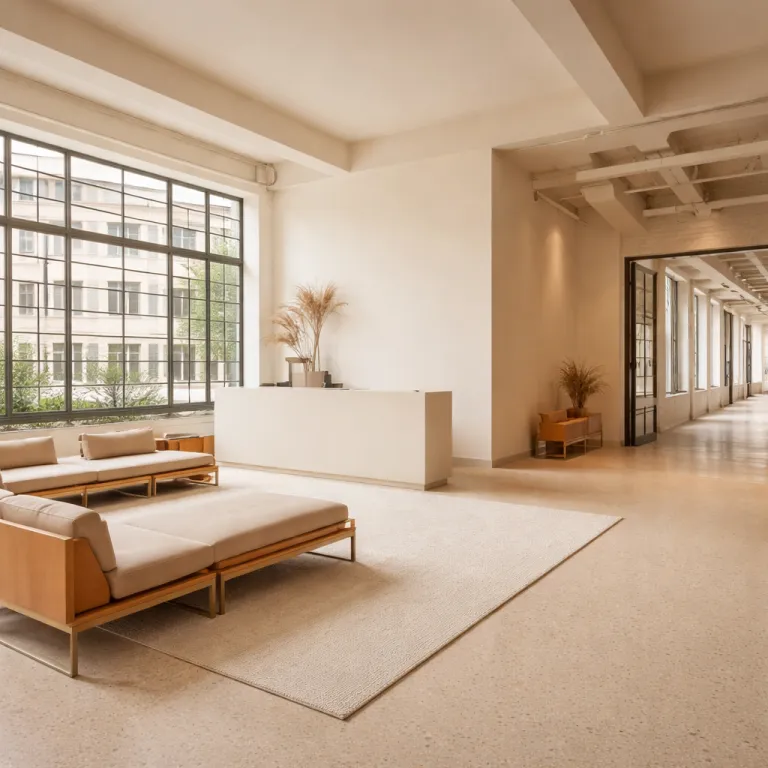
Bauhaus lines in the lobby: how berlin hotel design architecture began
Walk into a serious design hotel in Berlin and you feel Bauhaus before you see it. The movement’s clear architecture, functional design concept and refusal of ornament still shape how the city thinks about space, light and proportion. As one canonical definition puts it, “What is Bauhaus? A design movement uniting art and craft.”
That union of art, craft and architecture is the quiet engine behind today’s Berlin hotel design culture, from Mitte to Charlottenburg. Walter Gropius, Peter Behrens and Ludwig Mies van der Rohe turned Berlin, Germany into a laboratory where architects could create building forms that were rational yet poetic. Their modernist design language still guides how contemporary studios plan each project, from the lobby’s natural light to the rhythm of guest room corridors, and from the placement of structural columns to the way circulation routes are expressed.
For travelers, this history matters because it changes how you read a hotel building in the city. When you enter a lobby and notice three clean planes of stone, glass and steel, you are seeing a direct echo of Bauhaus methods and modern materials. The best hotel architecture in Berlin, Germany uses these principles to create calm, legible spaces where every piece of interior design has a purpose and the building reflects a clear design concept rather than passing fashion, turning check in into a small lesson in twentieth century modernism.
From theory to check in: where Bauhaus lives in berlin’s hotels
Some of the most interesting examples of berlin hotel design architecture sit quietly beside the city’s museums and embassies. Take Das Stue, in the former Royal Danish Embassy near Tiergarten, whose curved façade and sculptural interiors show how a historic building can host contemporary hotel residences without losing its architectural soul. The original embassy structure dates from the late 1930s, while the hotel conversion by Spanish designer Patricia Urquiola opened in 2012, adding a new wing that wraps the zoo with long horizontal bands of glass.
Across Berlin, Germany, major chains now borrow from this design language rather than fighting it. The Berlin Marriott at Potsdamer Platz is a textbook case, with a redesign that leans into “Berlin minimalism” through strong horizontal lines, a restrained materials palette and a lobby that behaves almost like a public museum foyer. Here, the ground floor plan uses long sightlines, generous glazing and clear zoning to make arrival intuitive, and this is where berlin hotel design architecture becomes tangible for guests, because the layout invites you to linger, work and meet rather than just pass through.
If you want to go deeper into how architectural design and hospitality intersect, use a specialist resource rather than generic booking engines. A curated guide such as this overview of architectural masterpieces on luxury hotel booking platforms helps you compare buildings, not just room sizes. For a solo traveler, that means you can choose a hotel where the architecture, the urban context and the interior design concept all align with the way you like to experience a city, whether you prefer discreet embassy conversions or bold contemporary statements.
Factory to foyer: industrial conversions and high rise statements
Move east and berlin hotel design architecture takes on a rougher, industrial edge that suits Friedrichshain and Kreuzberg. Former factories and office buildings become hotel residences, with architects preserving raw concrete, brick and steel while threading in high tech systems and soft interior design. These adaptive reuse projects respect the original building while allowing the new hotel architecture to speak clearly about contemporary Berlin, Germany, often highlighting traces of machinery, loading bays or former production floors.
Radisson RED Berlin is a strong example, housed in a listed former Siemens building whose early 20th century architecture once symbolised industrial power. The complex dates back to around 1910, when Siemens was expanding its presence in the capital, and the conversion into a design led hotel keeps the robust façade and generous windows, using natural light to animate public spaces while the interior design layers in colour and art that reference the city’s creative energy. This is berlin hotel design architecture as urban palimpsest, where each new design concept writes over the last without erasing it, and where guests can still read the building’s manufacturing past in its structural grid.
At the other end of the spectrum, Berlin’s emerging high rise hotels show how the city negotiates verticality. Projects like the Estrel Tower in Neukölln, covered in depth in this feature on Germany’s tallest hotel building, use glass, light and slender forms to minimise their impact on the skyline. Designed by architect Helmut Jahn and planned to reach around 176 metres, the tower extends the existing Estrel Hotel and Congress Center, and for architecture focused travelers these high rise complexes offer a chance to experience berlin hotel design architecture as part of a broader urban project, where each building reflects both engineering ambition and sensitivity to the surrounding city.
Chain polish, rebel rooms: four key addresses for design lovers
For a solo explorer, the most rewarding way to understand berlin hotel design architecture is to move between very different properties. Start at Potsdamer Platz, where the Berlin Marriott shows how a global brand can adapt its design language to a specific city. The lobby’s long sightlines, controlled natural light and carefully framed views of the urban centre echo the clarity of Mies van der Rohe without copying any single building, and the guest floors use a disciplined grid that keeps circulation simple even in a large complex.
Head west to Charlottenburg and you find The Dean Berlin, a smaller property whose rebellious yet refined aesthetic channels the area’s creative studios and galleries. Here, the interior design plays with darker tones, layered textures and bold art, but the underlying architecture remains disciplined, with a clear plan and strong vertical lines that recall high rise office buildings. This balance between expressive surfaces and rational structure is central to berlin hotel design architecture, because it lets the building reflect the city’s energy without becoming chaotic, and it shows how boutique hotels can still follow rigorous spatial logic.
Cross the river to Friedrichshain and Me and All by Hyatt offers a different take on urban hotel architecture. The project sits close to the Spree, using large windows and terraces to pull the city and its light into the public spaces, while the interior design mixes industrial references with softer residential touches. If you are mapping out a three night stay, combining these hotels creates a live seminar in berlin hotel design architecture, from polished chain efficiency to more experimental architectural design concepts, and from embassy conversions to riverfront towers.
Design itineraries: reading berlin through its hotel buildings
Treat Berlin, Germany as an open air museum of architecture and your hotel choices become part of the exhibition. A thoughtful itinerary might begin near Kulturforum, where Das Stue and other design forward hotels sit between major museum buildings and Tiergarten’s greenery. Here, berlin hotel design architecture engages directly with cultural institutions, using calm interiors and generous natural light to frame days spent with art and history, and the short walks between galleries and hotel lobbies make the dialogue between them very clear.
From there, move towards the historic centre and explore how different architects interpret the same urban conditions. Some studios lean into a strict Bauhaus derived design concept, while others reference figures such as Rafael Moneo or even Mies van der Rohe in subtler ways, through proportion, material or the way a building reflects its street. Articles like this guide to gallery culture and the hotels that frame it show how berlin hotel design architecture often sits at the intersection of hospitality, art and adaptive reuse, with former banks, post offices and even bunkers now housing design led hotels.
End your route in emerging neighbourhoods where new buildings and conversions form complex urban ensembles. Here you see berlin hotel design architecture negotiating between state of the art sustainability targets, high tech building systems and the need to create welcoming, human scale interiors. For a solo traveler, paying attention to how each hotel uses light, volume and material turns every check in into a lesson in architectural design, and every lobby into a lens on the city, revealing how Berlin, Germany continues to reinterpret its modernist heritage.
FAQ
How did Bauhaus influence hotel architecture in Berlin, Germany ?
Bauhaus shaped berlin hotel design architecture by insisting that form follow function, uniting art and craft in a single architectural project. Its emphasis on clarity, proportion and honest materials encouraged architects to create building forms where every element has a purpose. That legacy appears today in minimalist lobbies, rational floor plans and interior design that favours light, space and usability over decoration, especially in hotels that consciously reference early twentieth century modernism.
What is the best area to stay in for architecture focused hotels ?
Mitte and the area around Potsdamer Platz are ideal if you want to be close to major museum buildings and see how international chains adapt their design language to Berlin, Germany. Charlottenburg offers more historic architecture and refined interiors, while Friedrichshain and Kreuzberg showcase industrial conversions and more experimental berlin hotel design architecture. Choosing two or three different districts during one trip lets you experience the city’s architectural diversity first hand, from embassy quarters to former industrial belts.
Are industrial conversion hotels comfortable for longer stays ?
Well executed factory to hotel projects in Berlin, Germany combine robust original architecture with carefully considered interior design, so they can be very comfortable for extended visits. Large windows, high ceilings and exposed structures are balanced by acoustic treatments, warm materials and efficient room layouts. When the architects respect both the old building and contemporary needs, these complexes feel characterful rather than rough, and the contrast between raw structure and soft furnishings becomes part of the appeal.
How can I plan a design focused hotel itinerary in Berlin ?
Start by mapping key architectural areas such as Potsdamer Platz, Kulturforum, Charlottenburg and the Spree waterfront, then choose one hotel in each that exemplifies a different design concept. Look for properties where the building reflects a clear architectural idea, whether Bauhaus inspired minimalism, high tech glass and steel or a sensitive reuse of historic structures. Combining two or three contrasting hotels over a single trip turns your stay into a curated tour of berlin hotel design architecture, with each check out marking the end of one chapter in the city’s built story.
What should I look for in a lobby if I care about architecture ?
Pay attention to how the lobby handles natural light, circulation and the relationship between public and semi private zones. In strong berlin hotel design architecture, the lobby’s plan will feel intuitive, with clear sightlines, comfortable transitions between seating areas and materials that age gracefully. Details such as stair design, the junctions between walls and floors, and how art is integrated into the space often reveal the depth of the architectural thinking, and they show whether the interior is driven by a coherent concept or by short term trends.